English
 Español
 Francés
 Русский
 Português
 Deutsch
 Italiano
 Kazakh
 Uzbek
Uzbek

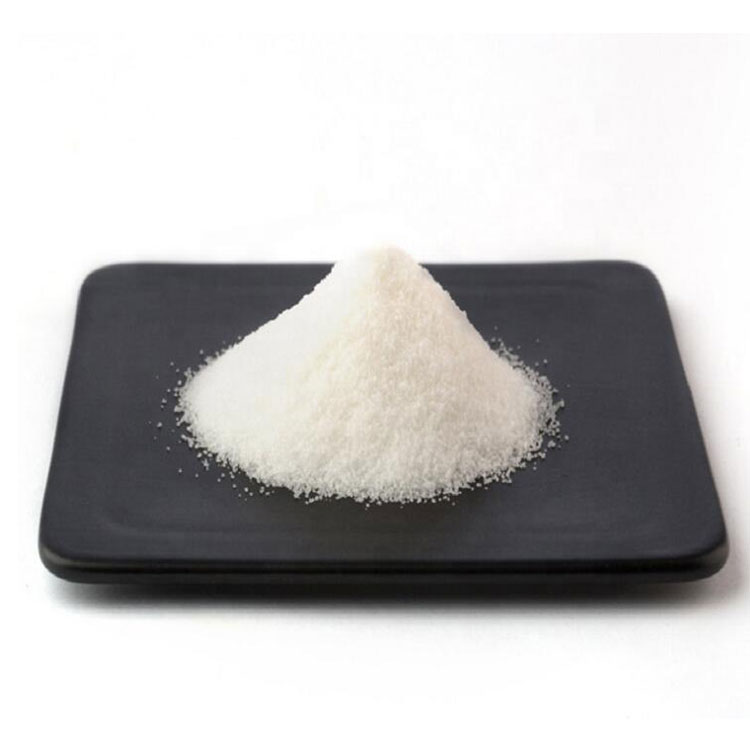
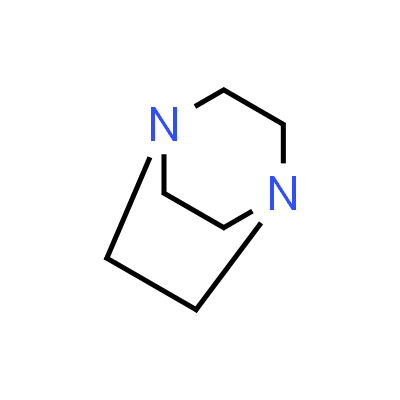
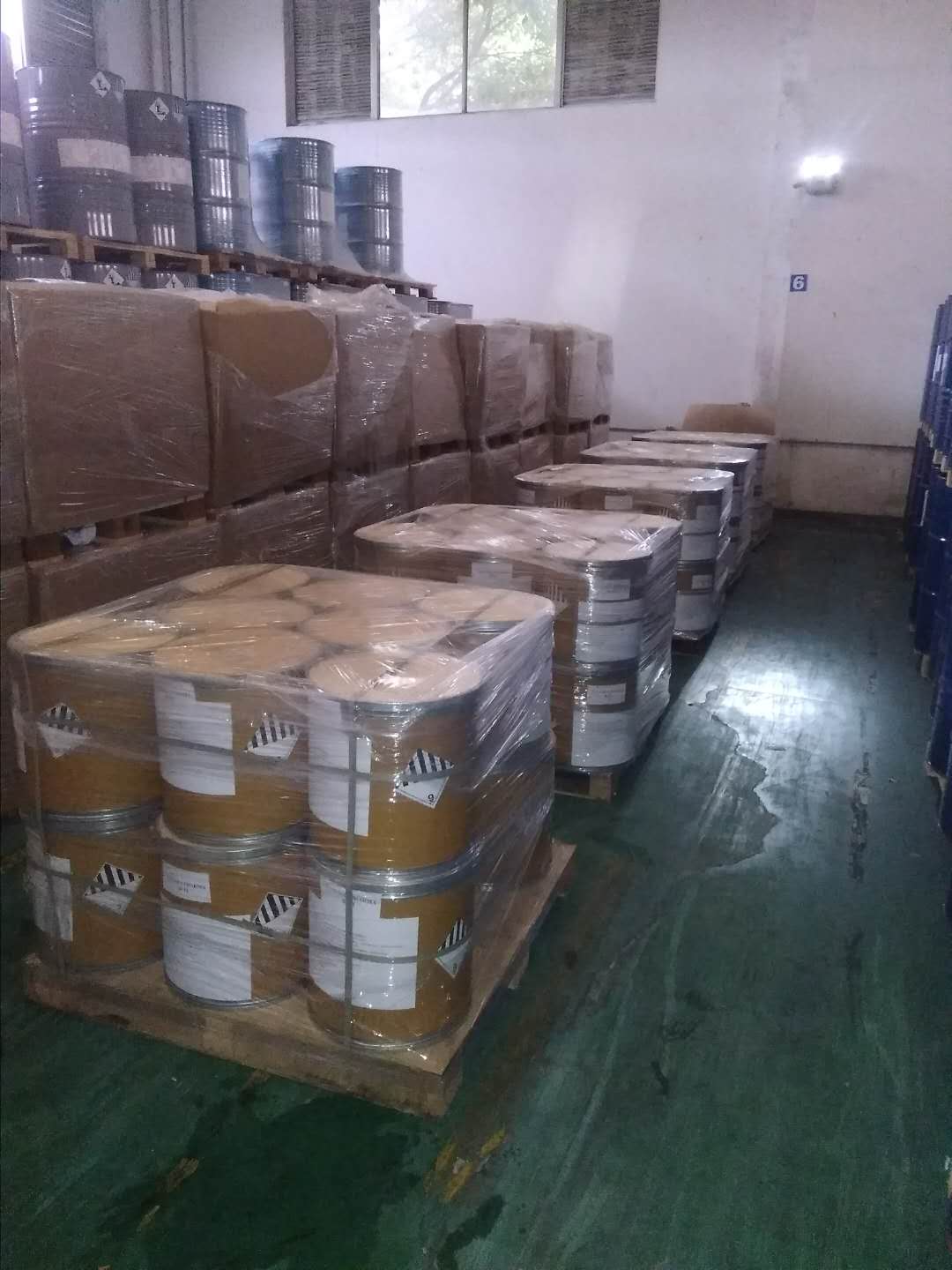
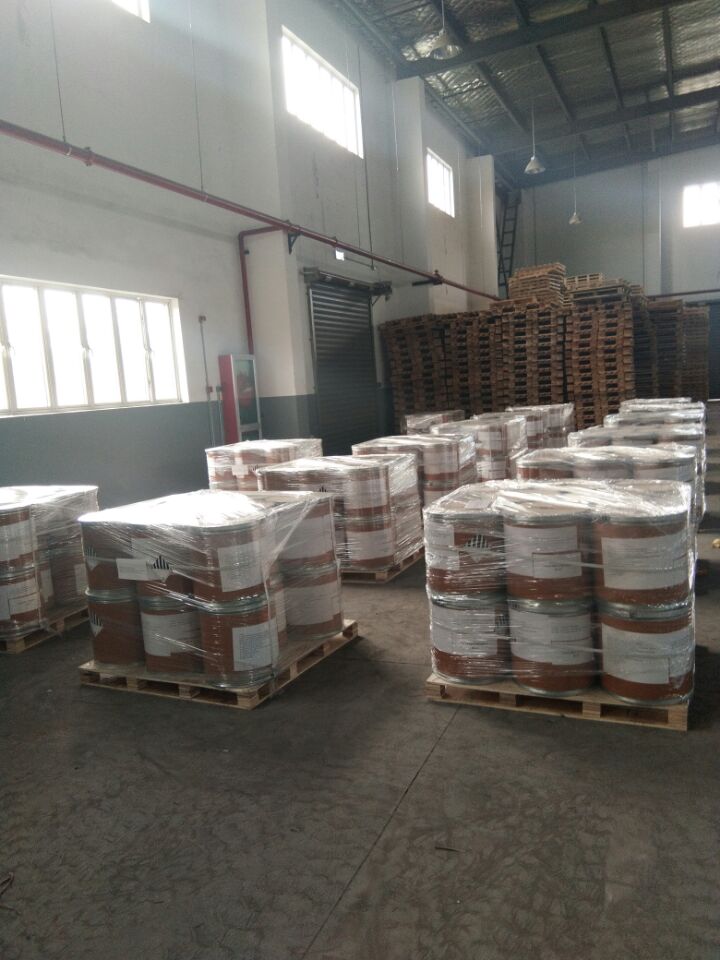
Triethylenediamine CAS#280-57-9
CAS Number: 280-57-9
Chemical Formula: C6H12N2
Synonyms:
1,4-Diaza[2.2.2]bicyclooctane
1,4-diazabicyclooctane
BACO
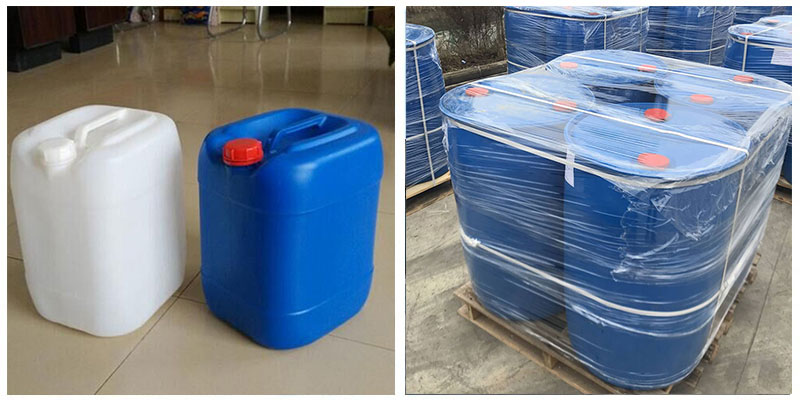
MOQ (Minimum Order Quantity): 1 FCL (Full Container Load)
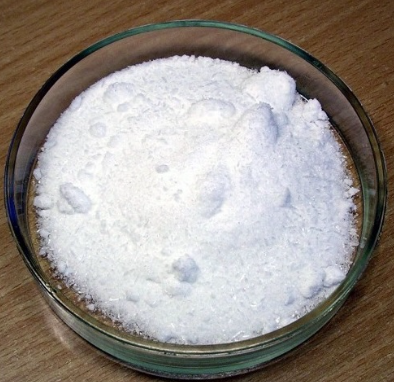
Appearance: White Solid
Triethylenediamine CAS#280-57-9
Dabco33-LV (Db) is a gelling catalyst and a bidentate ligand that forms a self-assembled monolayer (SAM) on a variety of substrates. It functionalizes the surface and immobilizes the surface atoms. |
Triethylenediamine Chemical Properties |
Melting point | 156-159 °C(lit.) |
Boiling point | 174 °C |
bulk density | 800kg/m3 |
density | 1.02 g/mL |
vapor pressure | 2.9 mm Hg ( 50 °C) |
refractive index | n |
Fp | 198 °F |
storage temp. | Store below +30°C. |
solubility | 400g/l |
pka | 3.0, 8.7(at 25℃) |
form | Hygroscopic Crystals |
color | White to pale yellow |
Water Solubility | 46 g/100 mL (26 ºC) |
Sensitive | Hygroscopic |
Merck | 14,9669 |
BRN | 103618 |
Stability: | Stable, but very hygroscopic. Incompatible with strong oxidizing agents, strong acids. Highly flammable. |
InChI | 1S/C6H12N2/c1-2-8-5-3-7(1)4-6-8/h1-6H2 |
InChIKey | IMNIMPAHZVJRPE-UHFFFAOYSA-N |
SMILES | N12CCN(CC2)CC1 |
LogP | -0.49 at 20℃ |
CAS DataBase Reference | 280-57-9(CAS DataBase Reference) |
NIST Chemistry Reference | Triethylenediamine(280-57-9) |
EPA Substance Registry System | 1,4-Diazabicyclo[2.2.2]octane (280-57-9) |
Safety Information |
Hazard Codes | Xn,F |
Risk Statements | 22-36/37/38-52/53-41-36/38-11 |
Safety Statements | 26-60-37/39-3-16-36/37-61 |
RIDADR | UN 1325 4.1/PG 2 |
WGK Germany | 1 |
RTECS | HM0354200 |
F | 3 |
Autoignition Temperature | 350 °C |
TSCA | TSCA listed |
HazardClass | 8 |
PackingGroup | III |
HS Code | 29335920 |
Storage Class | 4.1B - Flammable solid hazardous materials |
Hazard Classifications | Acute Tox. 4 Oral |
Hazardous Substances Data | 280-57-9(Hazardous Substances Data) |
Toxicity | LD50 orally in Rabbit: 700 mg/kg |
Product Application Of Triethylenediamine CAS#280-57-9
1,4-Diazabicyclo[2.2.2]octane is used as polyurethane catalyst, Balis-Hillman reaction catalyst complexing ligand and lewis base. It finds use in dye lasers and in mounting samples for fluorescence microscopy and as anti-fade reagent shown to scavenge free radicals due to flurochrome excitation of fluorochromes. Further, it is an oxidation and polymerization catalyst. |
Fact Factory and Equipment Show
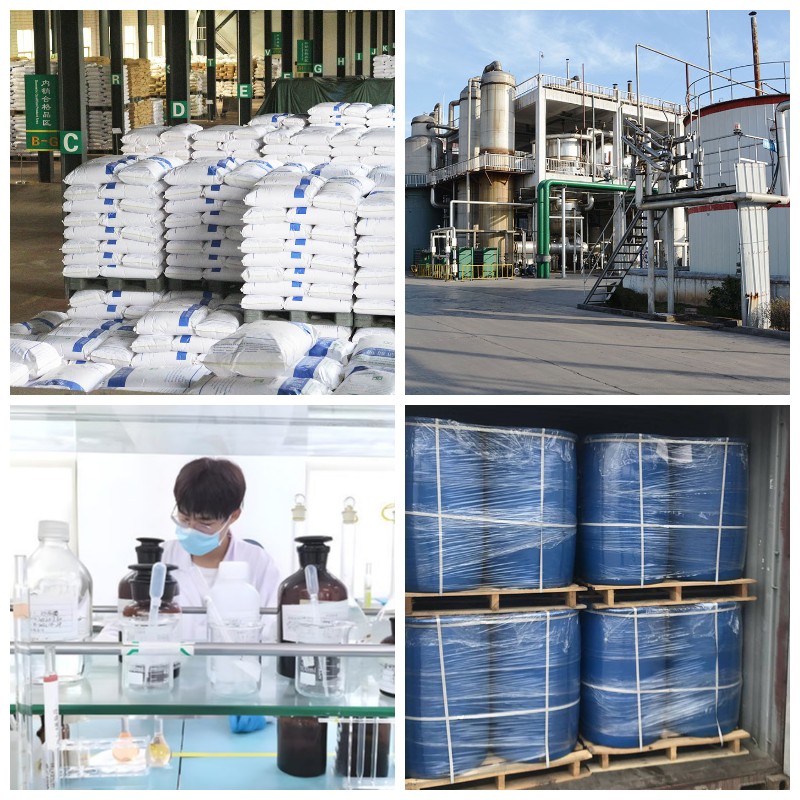
Fast delivery time
Inventory 2-3 working days New production 7-10 working days